01

Day One – Why We Started
There was no business plan on the first day.
No pitch deck.
No roadmap.
No clear idea of how long this would take.
There was only a simple question.
I am an engineer.
And my child was learning fencing.
As I spent more time in fencing halls, I began to notice something that felt… unnecessary.
Cables everywhere.
Limited space.
Long setup times just to begin a bout.
Fencing is a sport built on precision and discipline.
Yet the equipment felt heavy, fragile, and outdated.
One day, almost casually, I asked myself:
What if fencing didn’t need all these cables?
That question stayed.
By the end of May 2025, Sigurd Fencing had quietly begun.
02

The First Wall – We Underestimated the Problem
Removing cables turned out to be the easy part.
What followed was the first real wall.
Traditional scoring systems rely on shared grounding.
Once that is gone, many assumptions collapse.
Our early prototypes were disappointing.
False signals.
Missed touches.
Unstable behavior.
At one point, we had something that worked perfectly on the desk —
and completely failed in a fencing hall.
That was the moment we realized:
This is not a wireless version of an old system.
It is a completely new problem.
And it would take time.
03

Almost There – The First Prototype That Felt Real
The first prototype that felt “real” didn’t look impressive.
No polished enclosure.
No final materials.
But it behaved differently.
For the first time, we saw consistency across repeated actions.
Not perfect — but predictable.
We knew it still wasn’t ready.
But we also knew we were finally moving in the right direction.
When it lit up correctly after a fast exchange,
we stopped and took a photo.
That moment mattered more than we expected.
04

Reality Check – Taking It Into the Fencing Hall
The fencing hall is unforgiving.
Metal everywhere.
Multiple bouts happening at once.
Noise, movement, unpredictability.
Some tests went well.
Others didn’t.
A child once asked quietly:
“Will it suddenly stop working?”
That question stayed with us.
We were no longer building something for ourselves.
We were building something people had to trust.
05

The Moment We Almost Stopped
There was a moment during this journey when we almost stopped.
Not because of technology.
But because my child could no longer safely participate in indoor fencing due to severe allergies.
For a while, everything felt pointless.
Then I went to the fencing club alone.
I watched children train.
I watched coaches teach.
And quietly, I knew:
This had become bigger than us.
That day, we decided to continue — properly.
06

Back to the Core – Redesigning What Matters
After everything we had seen, we simplified.
We removed clever ideas that introduced uncertainty.
We reinforced what worked consistently.
AI was no longer about being smart.
It was about being careful.
The system became quieter.
More predictable.
More reliable.
That was the turning point.
07

Manufacturing Is Another Battle
Engineering prototypes are forgiving.
Manufacturing is not.
Suddenly, every tolerance mattered.
Every assembly step mattered.
Some designs had to change — not because they were wrong,
but because they could not be produced reliably.
It was humbling.
08
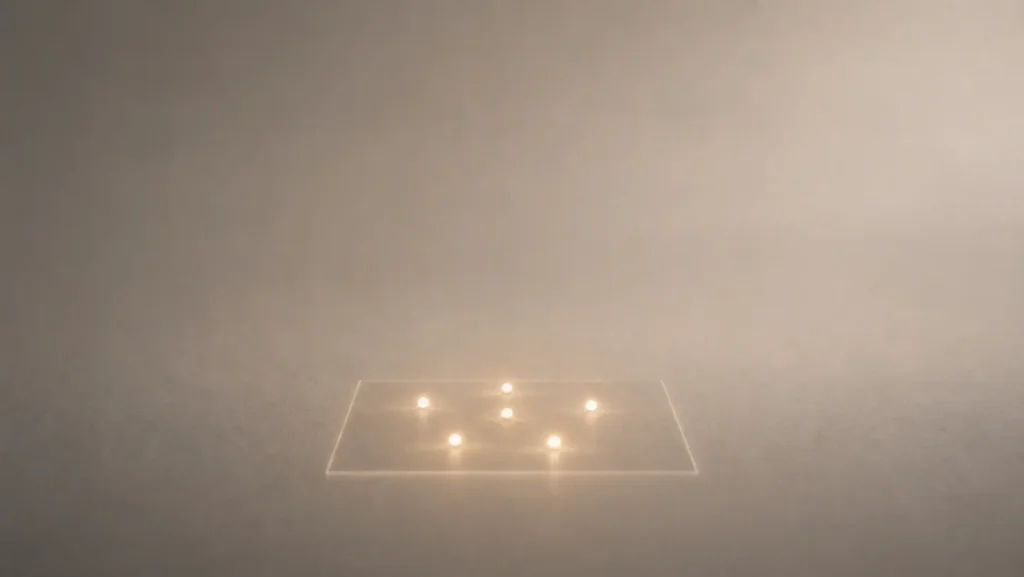
December – The First Small Batch
The first small batch didn’t feel like a victory.
It felt like responsibility.
Every unit had a destination.
Every unit would be used by real people.
We didn’t rush to sell.
We waited to see how they behaved.
Quietly.
09

When We Handed It Over
Watching coaches set it up without instructions
was the moment everything felt real.
Watching children start a bout immediately —
no cables, no delays —
was something we will never forget.
That was when Sigurd Fencing stopped being a project.
It became part of the sport.